XRP Yield: 5 Questions to Ask Before Any Yield App
Most XRP yield comes from wrapped XRP like FXRP, cbXRP and Binance-Peg XRP. Five questions to ask about rates, rewards, exits and risks before using one.
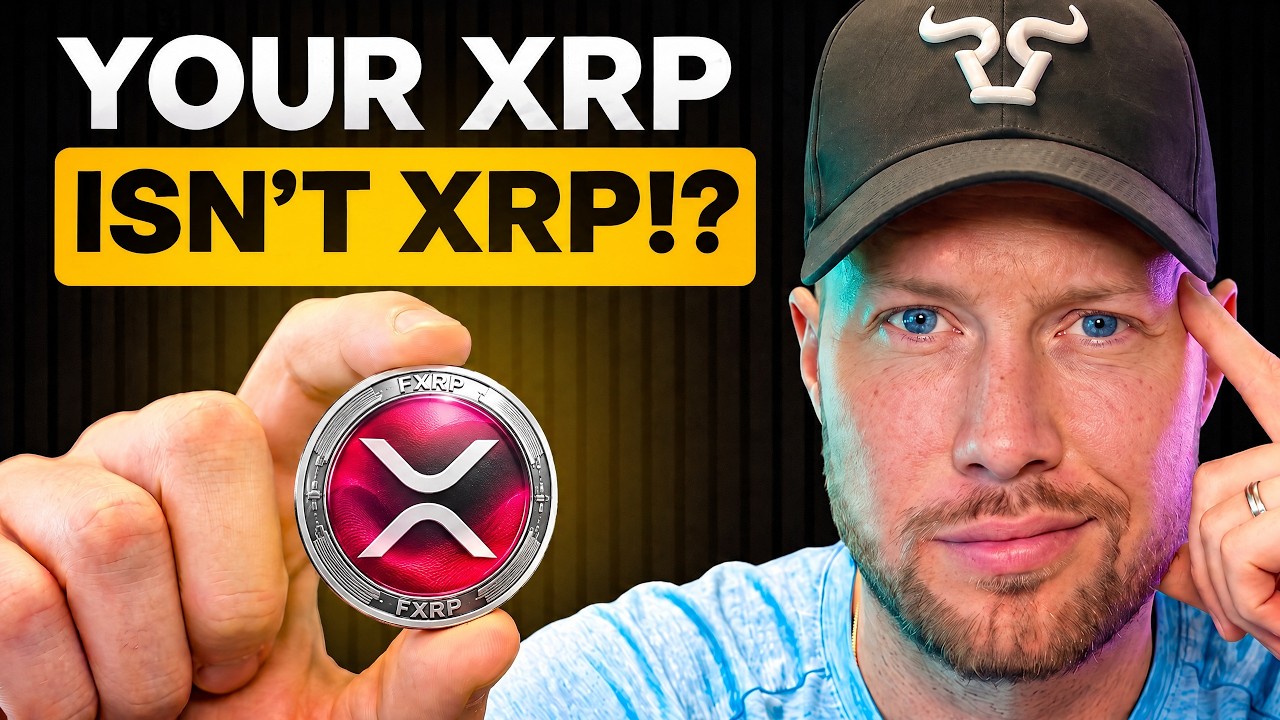
Key takeaways
- XRP has no native staking on the XRP Ledger, and according to the video most XRP yield comes from depositing a wrapped version of XRP on another network.
- cbXRP, FXRP and Binance-Peg XRP share a ticker but rely on different issuers and can fail in different ways, so the video suggests writing down who you are trusting.
- The rate on screen is a snapshot; the video suggests judging a position as if the rate were zero.
- The video describes an exit test: deposit a small amount you could afford to lose, then withdraw some of it before considering more.
- Firelight says its cover is not insurance, and staked XRP plus compounded rewards can be slashed.
Most XRP yield does not happen on the XRP Ledger itself. XRP has no native staking, so most yield apps first turn your XRP into a wrapped token on another network, such as FXRP on Flare, cbXRP on Base or Binance-Peg XRP on BNB Chain. A Bullrunners video sets out five questions to ask before using any of them.
That matters because the ticker on your screen can say XRP while the risk underneath is very different. The video works through real examples, mainly Moonwell on Base and Firelight on Flare, to show how the answers can vary. It also stresses that every rate and figure was checked on the day of recording, so readers should verify anything themselves.
Can you earn yield on XRP without leaving the XRP Ledger?
Mostly not, according to the video. It says most XRP yield happens off the XRP Ledger. Your XRP is first converted into a wrapped version on another network. That wrapped token is a promise from its issuer that real XRP backs it.
The video’s five questions for any yield app are:
- Where does your XRP actually go?
- What rate is the app really showing?
- What do you get paid in?
- How do you get your XRP back?
- What can make you lose money?
Apps and rates change, the host notes, but these questions stay the same. For a broader comparison of routes, Bullrunners also has a five-point scorecard for XRP yield without staking.
Where does your XRP go? cbXRP, FXRP and Binance-Peg XRP compared
Your XRP goes to whoever issues the wrapped token. That issuer is the party you trust to keep the token worth one XRP. The video describes three common wrappers that carry the same ticker but can fail in different ways.
| Wrapped token | Network | Who backs it | Point to note |
|---|---|---|---|
| cbXRP | Base | XRP held in Coinbase custody, per Moonwell | Moonwell’s governance forum notes the contract can bar an account from transferring it |
| FXRP | Flare | Minted one-to-one through Flare’s FAssets system, backed by XRP held by agents who also post collateral | Flare says it works without a third-party bridge |
| Binance-Peg XRP | BNB Chain | Issued through the Binance bridge | CoinDesk notes the original project isn’t responsible for issues with the bridged token |
The video’s practical point is simple: don’t take the app’s word for which XRP you are holding. Click the token, find who issued it, and write down who you are trusting. If you can’t name that party, the host says, you don’t know where your XRP went.
What does the rate on a yield app really mean?
The rate on screen is a snapshot, not a promise. In a lending app, the rate moves with how much people are borrowing. Moonwell’s docs say the rate is set by market utilization, meaning the share of deposits currently lent out. When borrowing demand drops, for example in a bear market, the rate can fall close to nothing.
In a staking-style app, the rate depends on how much money is flowing in to pay stakers. The video suggests asking what produces the number and what happens to it when conditions change, then judging the position as if the rate were zero. If a position only makes sense at today’s rate, the host says, it is too big.
What do you get paid in?
Yield can arrive in three forms: more of the token you deposited, a different reward token, or points. Each carries different risk.
- Same token: according to the video, Moonwell pays base interest in the token you supplied.
- Different token: you now own a second asset with its own price risk, so check whether you can actually sell or use it.
- Points: these are only a promise of something later and may never turn into anything.
On Firelight, emissions are paid in FXRP. According to the video, fees are also converted to FXRP and added to each staker’s position.
How do you get your XRP back?
The exit is the question people skip most, and the video says it matters most. Getting into a pool is easy. The difference shows up on the way out, and an exit can fail in two ways.
The app may not have the cash. In a lending app, your deposit is lent to borrowers. Moonwell’s documentation says withdrawals depend on available liquidity, and a withdrawal larger than what is available will simply fail. Near 100% utilization, withdrawing can be difficult. The video cites a separate Moonwell market on Base, cbETH, which showed over 100% utilization on August 25. Suppliers there reported being unable to withdraw nearly all their funds.
The video presents the cbETH episode as borrowers simply taking most of the cash. Reporting on the market tells a different story. The shortfall began after a February 15 oracle misconfiguration valued cbETH near $1.12 instead of about $2,200. An oracle is the price feed an app relies on. There was no hack, but the stuck funds came from bad debt created by a pricing error, not from ordinary borrowing.
The app may lock you in on purpose. Firelight works differently. Your XRP is staked to back cover for other DeFi apps, and that capital has to stay available while claims can still be checked. Firelight says deposits support 30-day cover periods, and the unstaking window was increased to match. CryptoSlate’s reading of Firelight’s withdrawal rules puts the exit at just over 30 days to up to 60 days, depending on when you ask to leave. The exit returns FXRP on Flare, which is then redeemed to XRP on the XRP Ledger.
The video recommends finding the exit time on the app’s own page rather than relying on a video, because terms can change. It also asks whether you could live with your XRP locked that long. Bullrunners covers related concerns in three risks to check before you lend your XRP.
What can make you lose money in XRP DeFi?
Every source of yield has a way to fail, and the video says you should be able to name it before depositing. It suggests looking in three places: the wrapper from question one, the app’s own code and the prices it relies on, and what your deposit is backing.
In a lending app, your deposit backs loans. On Firelight, it backs cover, which means your XRP is the money used if something goes wrong in other apps. The extra yield and the extra risk come from the same place. Firelight says its cover is not insurance. Compounded rewards stay in the vault and are subject to slashing, a penalty that removes part of the stake, the same way as the original deposit.
The video points to the Moonwell exploit on Base on August 27, 2026. An attacker inflated the price of MAMO, a thinly traded token accepted as collateral, then borrowed real assets against it. CertiK and PeckShield estimated losses at about $8.7 million. Moonwell responded by setting borrow caps on all Base core markets to 1 wei, which stops new borrowing.
The video says reporting indicated that change did not block withdrawals. Separate reporting says Moonwell’s cbBTC market on Base has hit 100% utilization since the MAMO exploit, which can leave suppliers unable to withdraw. The host’s lesson is that the app trusted a price, and the price was fake. Your answer to question five should include the prices an app depends on and what happens if one is wrong.
A checklist before you deposit XRP into any yield app
This routine is compiled from the steps the video describes:
- Write down your answers to all five questions before depositing anything.
- If you can’t answer one, wait.
- Find the wrapped token’s issuer and note who you are trusting.
- Check available liquidity and compare it with the amount you are considering.
- Run a small test with an amount you’d be relaxed about losing entirely. The video gives $10 as an example.
- Withdraw some of it to prove the exit works.
- See what the position actually pays at the end of the month.
If the withdrawal isn’t clean, or you can’t work out how to do it, the host’s view is that the app is too complicated and you shouldn’t deposit more.
What to watch next
Rates, lockup periods and liquidity in these apps change often, so recheck them on the app’s own pages before using any of them. Watch utilization in any lending market you follow, any changes to Firelight’s cover periods and unstaking window, and any governance changes affecting the wrapped token you hold. For holders weighing whether to chase yield at all, Bullrunners has a piece on the three paths: sell, hand it over, or keep the keys.
Frequently asked questions
Can you stake XRP?
Not on the XRP Ledger itself, which has no native staking. Apps that advertise XRP staking usually swap you into a wrapped token such as FXRP or cbXRP first, and the yield is earned on another network.
What is FXRP?
FXRP is XRP brought to Flare Network through Flare's FAssets system. It is minted one-to-one and backed by XRP held by agents, so you trust that system instead of holding XRP itself.
What is cbXRP?
cbXRP is a wrapped XRP token on Base. Moonwell describes it as backed one-to-one by XRP held in Coinbase custody, and Moonwell's governance forum notes the contract has a function that can bar an account from transferring it.
Can you always withdraw from an XRP yield app?
No. Moonwell's docs say withdrawals depend on available liquidity and a withdrawal larger than what is available will fail. Firelight says unstaking aligns with 30-day cover periods, and CryptoSlate's reading puts exits at just over 30 days to up to 60 days.
Is Firelight cover insurance?
Firelight says it is not insurance. Staked XRP backs cover for other DeFi apps, and both the deposit and compounded rewards are subject to slashing.
Full video transcript
From the video's captions, lightly formatted. Captions can mishear names and numbers, so check figures against the article above.
If your XRP is sitting in a wallet doing nothing, you've probably seen apps promising to put it to work. Some pay a little, some can trap your money, and the rate on your screen tells you almost nothing about which is which. So, before you put a single XRP into any yield app, ask these five questions. I'll use three real apps as examples so you can see what the answers look like. So, question number one, where does your XRP actually go?
Number two, what rate is the app showing? Number three, what do you get paid in? Number four, how do you get your XRP back? And number five, what can make you lose money? You see, apps and rates change, but these five questions stay the same.
So, number one, where does your XRP actually go? You see, most XRP yield doesn't happen on the XRP ledger. It first gets turned into a wrapped version on another network, and that wrapped token is a promise that whoever issues it that real XRP backs it. So, the first thing to ask is whose version of XRP you're holding, and who you have to trust for it to stay worth one XRP. You see, one wrapper might be backed by a company holding the XRP, another might be created by a system built into a blockchain, and the third might be issued through a bridge run by an exchange.
They all carry the same ticker, but fail in different ways. For example, CBXRP on the base chain Moonwell describes it as backed one-to-one by XRP held in Coinbase custody. And on the CBXRP contract, Moonwell's governance forum notes it has a function that can bar an account from transferring it. FXRP on Flare is minted one-to-one through Flare's F-asset system, which Flare says works without a third-party bridge. Then there's Binance pegged XRP on the BNB chain bridged by the Binance bridge, and CoinDesk notes the original project isn't responsible for issues with the bridge token.
So, don't take the app's word for which XRP this is, click the token and read what it says. In whatever app you use, find the token, find who issued it, and write down who you're trusting. If you can't name that, you don't know where your XRP went. Question number two, what rate is the app showing? Because the rate on the screen is just a snapshot, it can change depending on when you're watching this video.
In a lending app, it moves [music] with how much people are borrowing. And when demand drops, the rate can fall close to nothing in a bear market. And in a staking style app, it depends on how much money is flowing into pay the stakers. So, ask what's producing the number and what happens to it when the conditions change. And then size your position as if the rate were zero because if the position only makes sense at today's rate, then it's too big for you.
Because the rate is set by market utilization per Moonwell's docs. So, this is just simply what the app shows today because tomorrow it can be very different. And question number three, what do you get paid in? Because yield can arrive as more of the tokens you deposited, as a different reward token, or as points that may or may not turn into anything. And a different token means you now own a second asset with its own price risk.
And points are only a promise of something later. So, check which one you're getting and whether you can actually sell or you can even use that reward coin. Base interest is paid in the same token that you supply. And with Firelight, emissions are paid in FXRP and fees are converted to FXRP and added to each staker's position. Now, question number four, how do you get your XRP back?
You see, people skip this question and it matters the most. Getting in a pool is easy and the difference shows up on the way out. An exit can fail in two ways. The app might not have the cash to pay you right now because in a lending app, your deposit is lent to borrowers and withdrawals can fail until they repay or new money comes in. Or the app might lock you in on purpose for a set period of time and put rules in place for you to keep earning yield.
So, here's example A. We'll call this the exit test with Moonwell. The simplest protection is just a test. You deposit a small amount you'd be relaxed about if it went to zero or you couldn't withdraw it. And then you test withdrawing it.
If the withdrawal isn't clean or you can't work out on how to do it, it's too complicated for you, you just don't deposit more. In Moonwell's own documentation, it says withdrawals depend on available liquidity. And a withdrawal larger than what's available will simply fail. So, before you deposit a large amount, cuz a lot of people watch these videos, you might have a million, 10 million, 50 million dollars. Start with a few bucks, like 10 bucks or something.
Before you deposit, find this number. It's just simply how much the market can pay out right now in yield. And in Moonwell's docs, a withdrawal larger than available liquidity will fail. So, depending on how much money you want to put into a pool, you want to make sure that it's not more than the liquidity that's even there. Near 100% utilization, withdrawing can be difficult.
And on August 27th, Moonwell was exploited on Base. CertiK and PeckShield estimated about 8.7 million dollars in losses. And Moonwell responded by setting borrow caps on all Base core markets to 1 WEI, which stops new borrowing. And reporting says that change blocked new loans without touching withdrawals. And then on August 25th, a separate Moonwell Base market, CB Ethereum, showed over 100% utilization.
And suppliers reported being unable to withdraw nearly all funds. So, that second market shows why the test matters. When borrowers have taken most of the cash, your money can get stuck with no hack at all. For example, on Fireflight is the lockup. So, Fireflight works differently.
Your XRP is staked to back cover for other DeFi apps because that capital has to stay available. While claims can still be checked, exits take longer than you'd expect. So, before you deposit, find the exact exit time and ask whether you could live with your XRP locked for that long. Because Fireflight says deposits support 30-day cover periods. So, unstaking withdrawals take longer than before.
The unstaking window increased to align with a 30-day cover periods as cover is enabled. And CryptoSlate's reading of Fireflight's withdrawal rules says that just over 30 days to nearly 60 days, depending on when you ask to leave. And exit returns FXRP on Flare, then redeems to XRP on the XRP Ledger. So, find the exit time on the page itself and don't rely on a simple video for it because that could change. Now, question number five, what can make you lose money before you ever even get into a pool, you need to know the risks associated with it because every source of yield has a way to fail, and you should be able to name it before you deposit.
So, look in three places. The wrapper from question one, the app's own code, and the prices it relies on, and what your deposit is backing. In a lending app, your deposit backs loans. In Firefly, it backs cover, which means your XRP is the money used if something goes wrong in other apps. The extra yield and the extra risk comes from the same place.
On Firefly, compounded rewards stay in the vault and are subject to slashing the same way as the original deposit. On Firefly, Firefly cover is not insurance. And then on the Moonwell August 27th exploit, an attacker inflated the price of Mamo, a thinly traded token accepted as collateral, then borrowed real assets against [music] it. And the Moonwell exploit's worth understanding because the app trusted a price, and the price was fake. So, include the prices an app depends on in your answer, along with what happens if one of them is wrong.
And you won't always be able to answer that fully, which is why you start small. You don't deposit or ever risk more than you can afford to lose. So, here's what you check. Write down your answers to all five questions before you deposit anything. And if you can't answer one, then you wait.
Then run a small test, use an amount you'd be relaxed about losing entirely, then withdraw some to prove that the exit works, and see what it actually pays you at the end of the month. Doing this for one app, it might take a while. Doing it for a whole stack of XRP across routes that keep changing is where most people stall. Not because you're dumb or you don't understand it, but because you got a full-time job, you got a family, you got kids. You don't have time to watch all of these pools.
So, that's where our private intelligence network is for. We run your routes against what you actually hold. We research where the earnings go next on the best blockchain. And you're in a room of serious investors who've been through multiple market cycles. So, what I've done is I've left a link in the description below.
It's a free briefing that explains how to put your XRP to work in the DeFi space. And if you have $50,000 or more in crypto, stablecoins, or a combo of the two. Go watch it right now. If it makes sense after that, just simply click the button below, fill out the short form, it takes less than a minute, and book a strategy call with an [music] expert on my team. And if our accelerator program and our intelligence network isn't the right fit for you, they'll be the first ones to let you know.
And if you're not at $50,000 yet in crypto, then stay on [music] this channel, make sure you subscribe for more. We'll keep showing you how to get there. And as always, you understand that crypto carries risk, including losing everything that you put in if you don't know what you're doing and you try and do it all by yourself. These videos are purely educational material only, not financial advice. There's no guarantee of any results here, cuz you know results aren't typical.
Every rate and figure shown in these videos are accurate on the date of recording, but you might see this video weeks or months later. So, it's up to you to do your own research and verify it for yourself. So, I appreciate you for watching this video. I will see you on the next one through the link below. As always, you know what to do.
Stay bullish.
Education and commentary only, not financial advice. Crypto is volatile and you can lose money. Do your own research and speak to a qualified advisor before making investment decisions. Figures and quotes are as reported in the video on November 4, 2026 and may have changed since.