
Conduit Sues Tether: What the $2.76M USDT Freeze Lawsuit Claims
Conduit has sued Tether in New York over a frozen USDT wallet. What the complaint alleges, what hasn't happened yet, and five checks for stablecoin holders.
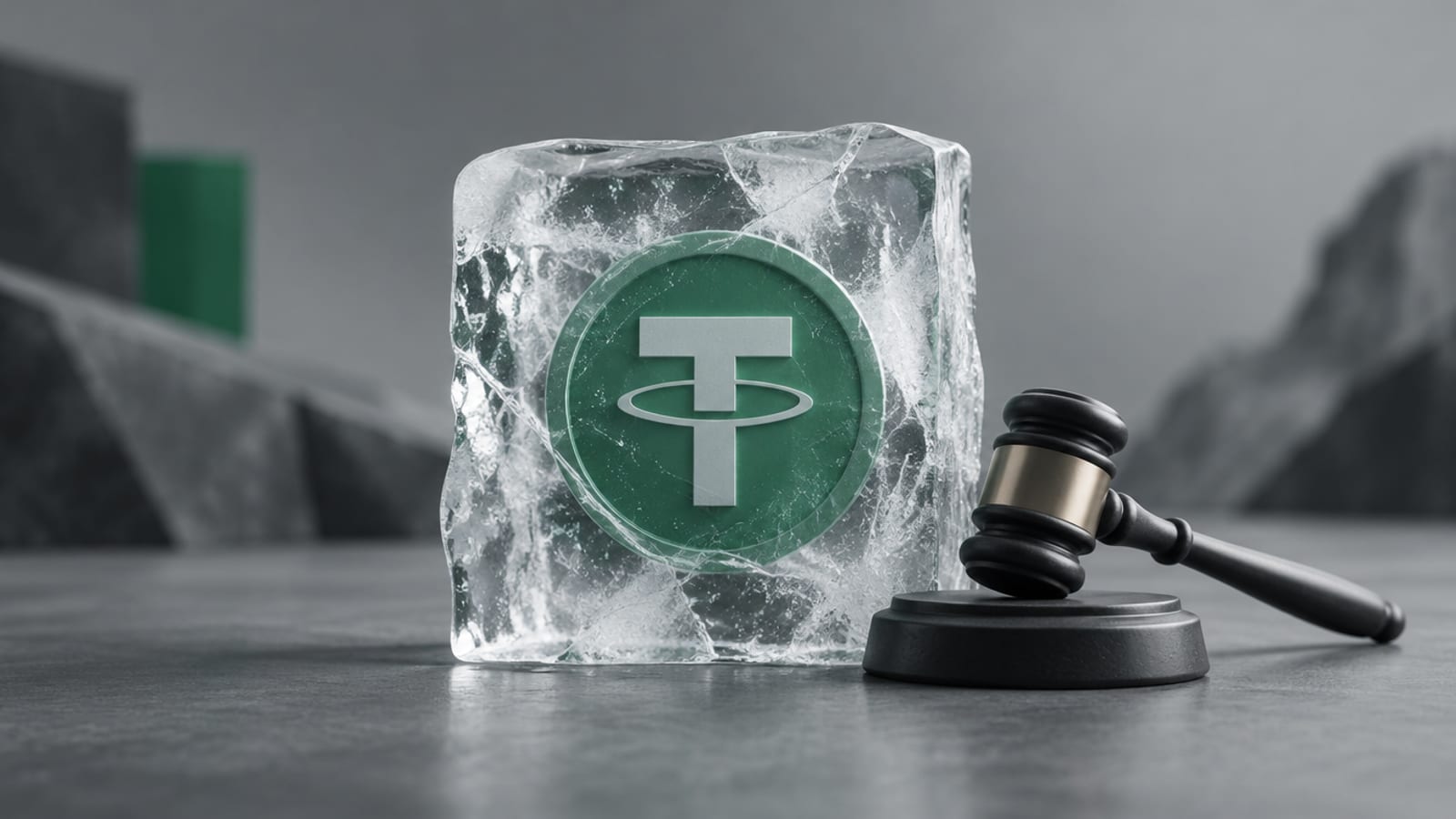
Key takeaways
- On 5 October 2026, Conduit Technology sued four Tether companies in federal court in New York over about $2.76 million of frozen USDT.
- Conduit alleges Brazil's Federal Police did not flag its wallet and that Tether froze it on its own undisclosed criteria; these are allegations, and no court has ruled.
- Tether's own terms of service say it may freeze Tether tokens held by a user, so the power itself is public.
- A stablecoin sits in your wallet, but its issuer still holds a switch over it; a coin like bitcoin has no company in that role.
- Know which of your tokens an issuer can freeze, read its terms in its own words, and keep records of where your funds came from.
On 5 October 2026, a payments company called Conduit Technology sued Tether in federal court in New York. Its complaint says Tether froze about $2.76 million of Conduit’s USDT and has kept it frozen for more than a year. In the complaint’s words: “Tether has no legal entitlement to these funds and no claim to them.”
So the case turns on one question: who gets to lock a stablecoin balance, and on what basis. Everything below about what happened is Conduit’s side of the story, as written in its complaint. As of 14 October 2026, Tether had not responded publicly in the reports we read, and no court has ruled.
Why did Conduit sue Tether?
Conduit says Tether froze a wallet that held the company’s working money, and has refused to release it. The complaint names four Tether companies, led by Tether Holdings, and was filed in the Southern District of New York (case 1:26-cv-08773). The Block describes Conduit as a cross-border payments firm that uses stablecoins to move money across more than 100 countries.
According to the complaint, the frozen wallet was a treasury wallet, which Conduit calls “the digital equivalent of the company’s operating bank account.” Conduit alleges that Tether froze it on 24 September 2025. The company says it asked Tether to unfreeze the funds four times in June 2026, then had its lawyers send a letter in August, and that “Tether provided no response.” Conduit also says it “owes no money to Tether and has no obligation to Tether.”
How is Brazil involved in the Conduit case?
The story runs through a Brazilian police investigation involving a former Conduit customer, Onix Intermediações, according to The Block. Here is the timeline as the complaint lays it out:
- June 2024: Brazil’s Federal Police begin investigating parties tied to a firm called Bull Intermediação, which the complaint says shared owners with Onix.
- 22 April 2025: Onix’s last transaction on Conduit’s platform, per the complaint.
- 20 May 2025: Conduit creates the treasury wallet with the custody provider Fireblocks. Conduit says none of its transactions involved Onix.
- 24 September 2025: The wallet is frozen.
- June to August 2026: Conduit’s requests and a demand letter to Tether.
- 5 October 2026: The lawsuit is filed.
Conduit alleges the Federal Police later confirmed that its wallet “was not on the list of wallets it originally identified.” It says a police filing described wallets being passed to a group called the T3 Financial Crime Unit, which then decided what to freeze. In Conduit’s words, Tether acted “on its own initiative” based on “its own undisclosed criteria.” The Block also reports Conduit’s claim that a Brazilian court confirmed Conduit was not under investigation in the Onix case.
What is a stablecoin freeze?
A stablecoin freeze is when the company that issues a token stops a specific address from moving it. A stablecoin like USDT is a token issued by a company and meant to track the U.S. dollar. Because the issuer wrote the token’s rules, it can keep that power.
Tether’s terms of service, last updated in February 2026, say it may “freeze any Tether Tokens held by you.” So with USDT, holding the keys lets you send it, but the issuer can still stop it from moving. That is different from a coin like bitcoin or XRP, where no company sits in the middle with that kind of switch. We covered that difference in Can XRP Be Frozen?, and how Ripple’s own stablecoin handles it in Can RLUSD Be Frozen?.
This case isn’t about whether the power exists. It is about how it was used here, and whether a court will review it.
What is Conduit asking the court for?
The complaint lists six claims. They are conversion (taking control of someone else’s property), unjust enrichment, breach of fiduciary duty, a federal computer fraud claim, a request for a declaratory judgment, and a demand for an accounting.
On relief, The Block reports Conduit wants the funds released plus damages. Conduit also argues that “the freeze costs Defendants nothing and preserves for them the interest the reserves generate,” so it wants an accounting of that income too. The company says the freeze forced it to lay off employees and close offices.
What does a USDT freeze lawsuit mean for holders?
Three questions turn a case like this into something a holder can use.
| Question | For USDT | Where it comes from |
|---|---|---|
| Who can lock this token? | You, through your keys, and also the issuer | Tether’s terms of service |
| What would make them do it? | Situations listed in the issuer’s terms; this case asks how one decision was made | Tether’s terms; Conduit’s complaint |
| If it happened by mistake, what is the route back? | For Conduit: requests, a demand letter, lawyers in Brazil, then a federal lawsuit | Conduit’s complaint |
To be clear, this is a dispute between two companies over a business treasury. It does not tell us how likely ordinary holders are to be frozen, and nothing here says any stablecoin is sound or unsound.
What is the case for Tether’s side?
There is a fair reading on Tether’s side, and it matters as much as Conduit’s account:
- Tether’s terms say plainly that it may freeze tokens, so the power isn’t hidden.
- There was a real police investigation in Brazil, and The Block reports Onix was a former Conduit customer. The freeze sits next to a real case, whatever a court decides about this wallet.
- An issuer that can freeze tokens can also stop stolen funds from moving, which can help victims in other cases. That is our reading, not a claim from either party.
- We have only heard one side. Tether may have reasons it hasn’t shared publicly.
- A complaint is written by one side to make its case as strongly as it can. A court may see the dates and claims differently.
What hasn’t happened yet?
As of 14 October 2026, three things were still missing. There was no public statement from Tether in the sources we read, so we don’t know its reasons. Tether had not filed an answer in court. And no judge has decided anything about who is right.
If a court takes the case on, the filings could show more about the step between a police request and a freeze: who reviews the request, what evidence they look at, and whether a holder is told why. Those are questions the complaint raises. The answers would have to come from Tether or the court.
What should holders watch next?
- Whether Tether responds publicly, and what reasons it gives.
- Tether’s first answer in court, including any motion to dismiss.
- Whether the frozen funds are released before the case ends, by agreement or by order. A release would settle the core money question, though other claims could continue.
Any of those would show up on the court docket with a date. What would change our view: Tether explaining the criteria behind this freeze, or a court ruling on whether the freeze was allowed.
Five checks for the dollar tokens you hold
- Know which of your tokens an issuer can freeze, from the issuer’s own terms.
- Read when the issuer says it may freeze, in its words, not a summary. If the terms mention government requests or suspected misuse, note both.
- Keep records of where your funds came from and who you’ve traded with. Conduit’s dates and transaction records are a large part of its argument.
- Know who you would contact if a balance were frozen, and how. That’s a fact to have on file, not a reason to move anything.
- When a freeze story breaks, read the filing itself, and keep track of which claims are allegations and which are findings.
A balance in a stablecoin like USDT is in your wallet, but its issuer still holds a switch over it. This case asks a court to look at how that switch was used, and the answer isn’t in yet. It is a case to follow, not a reason to panic.
Frequently asked questions
Why did Conduit sue Tether?
Conduit alleges Tether froze about $2.76 million of its USDT on 24 September 2025 and has no legal entitlement to it. The complaint was filed on 5 October 2026 in the U.S. District Court for the Southern District of New York.
Did Brazilian police ask Tether to freeze Conduit's wallet?
Conduit alleges the Federal Police confirmed its wallet was not on the list of wallets it originally identified. That is Conduit's account in its complaint, as also reported by The Block; Tether has not answered it publicly in the sources we read.
Can Tether freeze USDT?
Yes. Tether's terms of service say it may freeze Tether tokens held by a user. The lawsuit is about how that power was used in this case, not whether it exists.
Does this case mean ordinary USDT holders will be frozen?
No such conclusion follows. This is a dispute between two companies over a business treasury wallet, and it does not tell us how likely ordinary holders are to be frozen.
Has Tether responded to the lawsuit?
As of 14 October 2026, no Tether response had been reported in the sources we read, and Tether had not filed an answer in court.
Education and commentary only, not financial advice. Crypto is volatile and you can lose money. Do your own research and speak to a qualified advisor before making investment decisions. Figures are as of October 19, 2026 and may have changed since.


