
Ondo Finance Explained: What ONDO Does With Tokenized Treasuries
Ondo Finance issues tokens backed by US Treasuries, like OUSG and USDY. Who can buy them, what the ONDO token does, where XRP Ledger fits, and the risks.
Video coming soon.
Key takeaways
- Ondo Finance issues tokens that give exposure to assets such as short-term US Treasuries. OUSG and USDY are its two Treasury-linked products.
- OUSG is only for investors who are both accredited investors and qualified purchasers. USDY is closed to US persons.
- The ONDO token is a governance token. Holding ONDO does not give you the Treasuries inside OUSG or USDY.
- OUSG is available on Ethereum, Polygon, Solana and the XRP Ledger, according to Ondo's documentation.
- A tokenized Treasury product carries issuer, legal and access risks that a Treasury bill held at a broker does not.
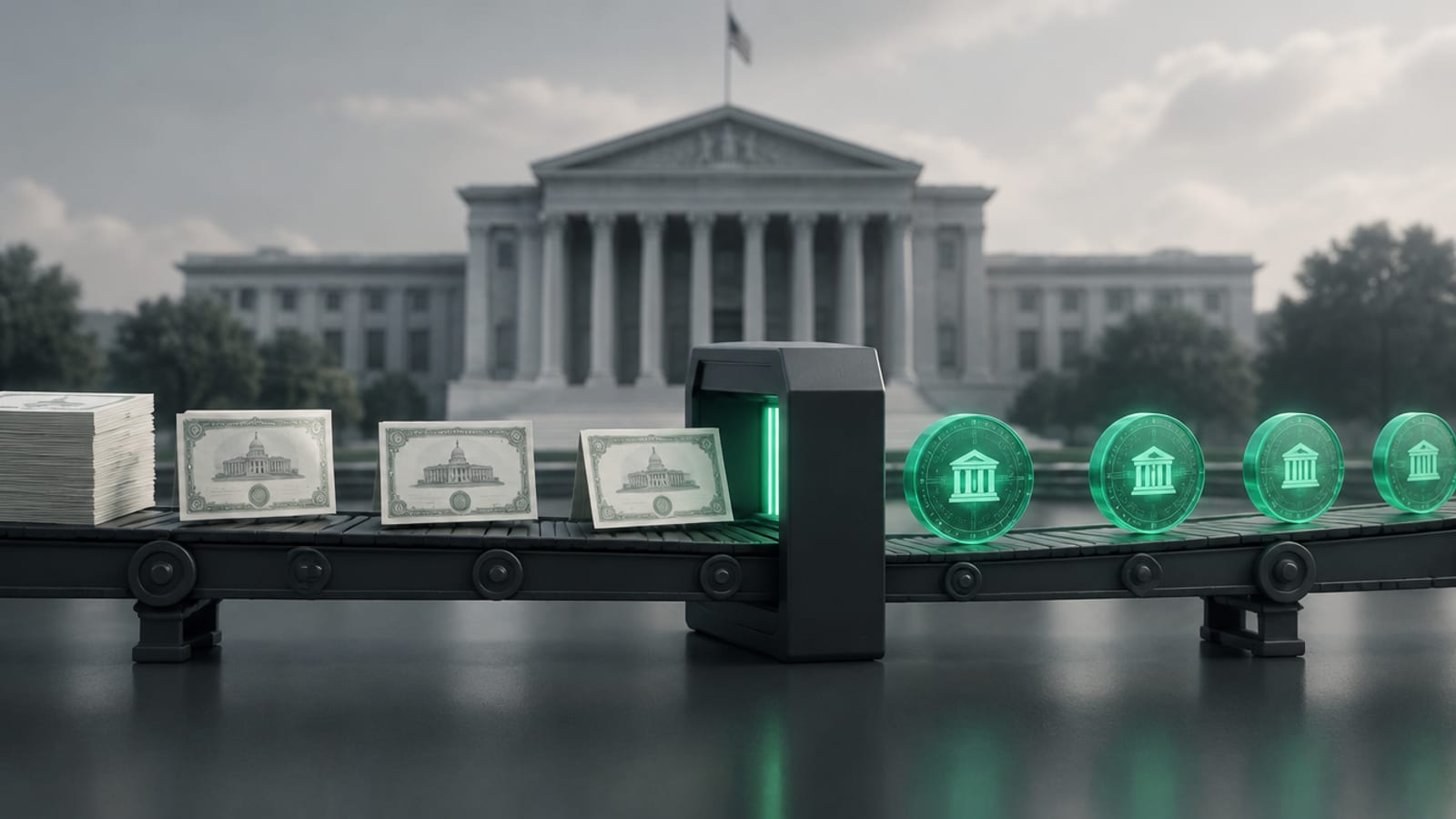
Ondo Finance is a company that issues blockchain tokens tied to traditional assets, mainly short-term US Treasuries. Its best-known products are OUSG and USDY, and ONDO is a separate governance token that does not hold those Treasuries. OUSG is limited to qualified investors, and USDY is closed to US persons.
That difference matters because the name “Ondo” covers three things people often mix up: the company, its Treasury-linked products and the ONDO coin traded on exchanges. This guide separates them, explains who is allowed to buy each product, and lists the risks. If tokenization is new to you, start with our beginner’s guide to real world assets.
Ondo’s main products compared
As of October 2026, according to Ondo Finance’s documentation:
| OUSG | USDY | ONDO token | |
|---|---|---|---|
| What it is | Token for a fund holding short-term US Treasuries | Tokenized note secured by Treasuries, Treasury ETF shares or bank deposits | Governance token |
| Who can buy from Ondo | Accredited investors who are also qualified purchasers | Qualifying non-US individuals and institutions | Traded on crypto exchanges |
| US persons | Allowed if they qualify | Prohibited | Depends on the exchange |
| Minimum with Ondo | $5,000 for instant transactions; otherwise $100,000 to invest and $50,000 to redeem | $5,000 on some networks | None set by Ondo |
| Claim on Treasuries | Yes, through the fund | Yes, through the note | No |
| Main risk | Issuer, access and redemption limits | Issuer, legal and jurisdiction limits | Price swings, no claim on assets |
Ondo also offers Ondo Stocks, tokenized stocks for non-US investors. Check Ondo’s documentation for its current product list.
What is OUSG?
OUSG is Ondo Finance’s token for qualified investors that tracks a portfolio of short-term US Treasuries. Ondo’s documentation says OUSG gives exposure mainly to short-term Treasuries and government-sponsored enterprise securities. It also keeps bank deposits and USDC, a dollar stablecoin, for liquidity.
OUSG is not open to the general public. Ondo says an investor must be both an accredited investor and a qualified purchaser. Ondo says the most common ways to qualify are a net worth of over $5 million for an individual, or over $25 million in assets for an organization. Investors must also pass Ondo’s onboarding and KYC (know-your-customer identity) checks.
What is USDY?
USDY, the US Dollar Yield Token, is a tokenized note from Ondo that is secured by short-term US Treasuries, shares of the iShares Short Treasury Bond ETF, or bank demand deposits. Ondo’s documentation says the backing depends on when the tokens were issued. As of October 2026, the same page names Ondo Global Markets (BVI) Limited as the issuer, after USDY was folded into the Ondo Stocks business in December 2025.
USDY comes in two forms. Standard USDY rises in price as yield builds up. rUSDY stays at $1.00 and grows in quantity instead.
USDY is closed to US investors. Ondo’s eligibility page lists the United States as a prohibited jurisdiction. It also bars US persons from subscribing for, acquiring or redeeming USDY.
What does the ONDO token do?
The ONDO token is the governance token of the Ondo DAO, a group of token holders that votes on proposals. Tally, the platform that hosts the Ondo DAO’s votes, describes it as a DAO that governs Ondo and affiliated products, including the Flux Finance lending protocol. One proposal listed there, put forward on January 12, 2024 and since executed, released the lock-up on ONDO tokens.
Holding ONDO is not the same as holding OUSG or USDY. The ONDO token gives no claim on the Treasuries behind Ondo’s products. A rise in the money held in OUSG or USDY does not automatically flow to ONDO holders.
Where does the XRP Ledger fit in?
The XRP Ledger (XRPL) is one of the networks where Ondo’s OUSG lives. Ondo’s technical documentation lists OUSG on Ethereum, Polygon, Solana and the XRP Ledger. Instant minting and redemption run only on Ethereum, according to the same page. Ondo’s USDY documentation also lists the XRP Ledger among networks where USDY can be minted and redeemed through Ondo support.
The XRP Ledger has already hosted a real OUSG transaction. On May 6, 2026, Ripple redeemed part of its OUSG holding on the XRP Ledger, and JPMorgan’s Kinexys paid out US dollars to Ripple’s bank account in Singapore, as reported by CoinDesk. Read how the JPMorgan, Ondo and Ripple redemption worked, including why XRP itself was not the asset that moved.
What are the risks of Ondo’s tokenized Treasuries?
The main risks of Ondo’s tokenized Treasuries come from the issuer and the legal structure, not from the Treasuries themselves.
- Issuer risk. You rely on Ondo and its partners to hold the assets and honor redemptions.
- Legal claim. OUSG is a fund interest and USDY is a note. The token is only as strong as the documents behind it.
- Access limits. Eligibility rules decide who can buy from or redeem with Ondo. Someone who cannot redeem must find another buyer.
- Network limits. Some features, such as instant redemption, work only on certain networks.
- ONDO price risk. The ONDO token can rise or fall regardless of how much money sits in Ondo’s products.
A checklist before you look at any Ondo product
- Decide which “Ondo” you mean: the company, a product such as OUSG or USDY, or the ONDO token.
- Read the eligibility page for that product on Ondo’s own documentation site.
- Check the minimums and which networks allow minting and redemption.
- Read the product’s “important notes” or risk page before anything else.
- Confirm any contract or issuer address on Ondo’s official site, never from a message or search ad.
What to check next
Watch for new Ondo DAO governance votes, which would show whether the ONDO token gains a more active role. Track whether more redemptions settle on the XRP Ledger after the 2026 pilot. And check Ondo’s eligibility pages from time to time, because the rules on who can buy each product decide who these tokens are really for.
Sources
Sources
- OUSG: Overview, Ondo Finance
- OUSG: Eligibility & Onboarding, Ondo Finance
- OUSG: Technical, Ondo Finance
- USDY Basics, Ondo Finance
- USDY: Eligibility, Ondo Finance
Frequently asked questions
What does Ondo Finance do?
Ondo Finance turns traditional assets into tokens that move on blockchains. Its products include OUSG and USDY, which are tied to short-term US Treasuries, and tokenized stocks for non-US investors.
Can US citizens buy USDY?
No. Ondo's USDY eligibility page lists the United States as a prohibited jurisdiction and bars US persons from subscribing for, acquiring or redeeming USDY.
Who can invest in OUSG?
Only investors who are both accredited investors and qualified purchasers and who pass Ondo's onboarding and KYC checks. Ondo says the most common route is $5 million or more in investments for individuals or $25 million or more in investments for most organizations.
Is the ONDO token backed by Treasuries?
No. ONDO is a governance token for the Ondo DAO. The Treasuries sit behind products like OUSG and USDY, which are separate tokens with their own eligibility rules.
Is OUSG on the XRP Ledger?
Yes. Ondo's technical documentation lists OUSG on Ethereum, Polygon, Solana and the XRP Ledger. Instant minting and redemption are limited to Ethereum, according to the same page.
Education and commentary only, not financial advice. Crypto is volatile and you can lose money. Do your own research and speak to a qualified advisor before making investment decisions. Figures are as of November 6, 2026 and may have changed since.


