Slink Memecoin: How One Elon Musk Emoji Fueled a Hacked-Account Pump
A hacked Neuralink executive's account, one Elon Musk emoji and a coin called Slink: how it hit $80 million, who profited, and the video's rule for slowing down.
Key takeaways
- Slink was promoted from what appears to have been a hacked account belonging to Neuralink executive Shivon Zilis, and the video says Elon Musk's single '100' emoji reply is what made doubters believe in it.
- On-chain tracker Lookonchain reported that more than 30 insider wallets bought early and sold quickly, making over $4.7 million. Separately, a researcher cited in the video said another set of wallets bought hours before the post. Slink later fell more than 95% from its peak.
- The video argues that a famous name replying to a post is not information but a feeling, and that the feeling is what pre-positioned wallets want buyers to act on.
- The video's one rule: the bigger the name, the slower you go. It argues that waiting about 30 minutes after Musk's reply would have shown the collapse before anyone spent money.
- The video warns that quiet holiday weekends, like Labor Day weekend and Thanksgiving, are when hacked accounts and loud posts tend to work best.
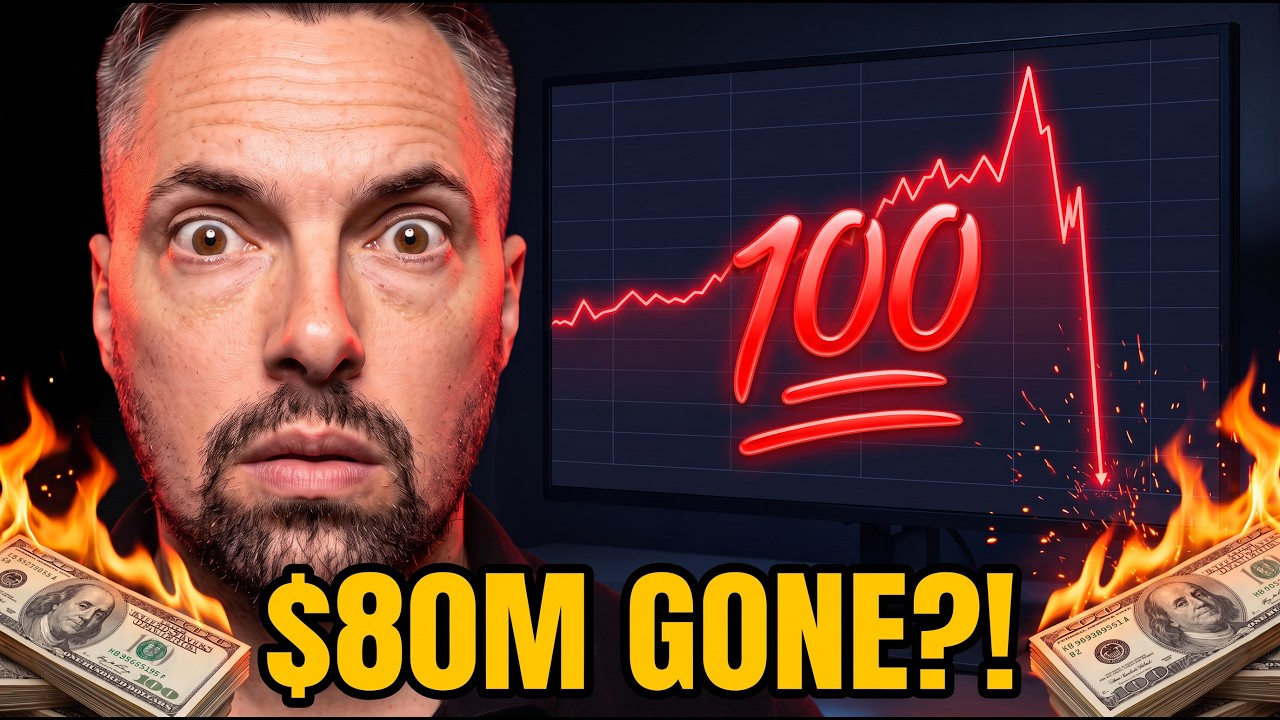
Slink, a memecoin on Robinhood Chain, briefly reached about $80 million in market value on Friday, September 4, 2026, after Elon Musk replied with a “100” emoji to a post from the apparently hacked X account of Neuralink executive Shivon Zilis. It crashed within the hour, and tracker Lookonchain reported insider wallets made over $4.7 million.
For anyone holding altcoins, the video presents Slink as an example of a trick that keeps coming back. A trusted account is hijacked and a famous name seems to endorse it. Ordinary buyers rush in, while people who positioned in advance sell to them. The video walks through that night hour by hour and ends with one rule it says would have kept a buyer out.
Where was the Slink coin launched?
Slink traded on Robinhood Chain, the blockchain the trading app Robinhood switched on on July 1, 2026. The video describes it as Robinhood’s own highway for crypto, where anyone can launch a coin and anyone can trade it.
In a CNBC interview in August, Robinhood CEO Vlad Tenev said the chain had launched outside the US. He said it includes stock tokens, which give tokenized exposure to US stocks. They started with 90 of them, now have 190, and trade 24/7. Bullrunners has a separate explainer on how Robinhood Chain’s stock tokens work.
The key point for this story is that Robinhood Chain is open. A coin existing on it does not mean Robinhood made it or vouches for it. That was already clear on July 23, three weeks after launch. Tenev’s own X account was hacked that day and used to push a fake token called Vladhood ($VLAD). According to the video, once he regained the account, Tenev posted that Robinhood had not issued any coins or tokens.
What happened on the night of September 4?
The Slink pump played out over a few hours in the evening, US Eastern time. According to the video, the sequence was:
- Around 6 pm: An account claiming to be run by Neuralink patients posting with their minds promoted the project behind Slink. Neuralink is Elon Musk’s brain chip company. Shivon Zilis’s account then posted that Neuralink research was truly misunderstood and that she was supporting the project. Some of the first replies said her account had likely been hacked, because she doesn’t post about coins.
- Shortly after 6 pm: A trading bot logged Slink at about $38,000 in market cap. Market cap is the price of one coin multiplied by the number of coins.
- 7:00 pm: Ryan Tanaka runs Neura Pod, a YouTube channel focused on Neuralink. He posted that the account was very likely compromised and told Musk by name to be careful.
- About 7:30 pm: Musk replied to the Zilis post with a “100” emoji, which online usually means “totally agree.”
- Two minutes later: Tanaka posted “sorry for my mistake,” walking back his warning.
- Within minutes: Slink touched about $80 million in market cap.
- By about 7:45 pm: One trader posted that it had gone to $70 million and back to $10 million.
- Just after 8 pm: Tanaka posted again. He said that after more digging, his original belief was correct: “This was a deep hack that appeared real.”
The tracking firm Arkham then posted that Musk appeared to have been baited into replying to a hacked account. It said one trader had put in about $250,000 and lost everything as the token plummeted to zero.
Why did the Elon Musk emoji matter so much?
The video argues that Musk’s reply turned a coin people were doubting into one they believed in. Buyers assumed he would know if the account of someone close to him had been hacked. Ordinary buyers saw a chart going straight up, the head of Tesla nodding along, and the main warning withdrawn.
One trader later described that path on X. He didn’t buy at first because it looked hacked. Then Musk replied, Tanaka said it wasn’t hacked, and the coin ran. Then it dumped. “I took the risk. I lost,” he wrote.
The video makes the point that this did not take a careless person. The Neuralink fan who raised the alarm was himself talked out of it by the same emoji. Bullrunners has also looked at Musk’s record of Dogecoin posts and promises.
Who actually made money from Slink?
According to on-chain analysts cited in the video, the people who profited were not reacting to Musk at all. At about 10:45 pm that night, the wallet-tracking account Lookonchain posted its findings. It said more than 30 insider wallets bought early and sold quickly, making more than $4.7 million, over 1,200 times their money.
The next day, according to the video, a researcher called Spectre described a separate set of wallets that:
- were funded around July 11,
- bought random small memecoins so they would look like ordinary traders,
- went quiet,
- were topped up, bought Slink, and held it for roughly four hours before the promotional post went up.
The video says Spectre put the profit above $6 million. It adds that Spectre was clear this does not prove who controlled those wallets or that they were tied to the hack. The video makes no such claim either. Its point is that someone appears to have prepared in July and waited nearly two months for a Friday night.
According to the video, Slink’s market cap later fell back to around $1 million, a drop of more than 95% from its peak. The host checked on October 22. At that point the promoting account was suspended, and both the Zilis post and Musk’s reply had been removed. As far as the host could find at that time, Zilis had not commented publicly.
Who is to blame for the Slink pump?
The video is careful here. It says there is nothing to suggest Musk did more than reply to what looked like a post from a Neuralink executive he knows well. In the host’s words, he “got played like everyone else.” The video says Zilis appears to be the victim of a hack, not the person behind it. It also says Robinhood did not issue Slink, any more than it issued Vladhood.
The uncomfortable part is that the story used something real. The video shows Neuralink’s own film from later in September about a man with ALS who regained his speech. The host describes the hack as using a genuinely moving story as the “wrapping paper” on a coin, which is what made it believable. Many hacked-account schemes lean on borrowed trust in a similar way, as Bullrunners’ guide to how to spot common XRP scams explains.
The rule: the bigger the name, the slower you go
The video’s lesson is not a checklist but a single rule: the bigger the name, the slower you go.
The video lays out the timing:
- the post early in the evening
- the warning at 7:00
- Musk’s reply at 7:30
- the crash by about 7:45
- the hack called out by around 8:30
The host argues that anyone who made themselves wait about 30 minutes after Musk’s reply would have watched it fall apart before spending anything.
The reasoning, per the video, is that a famous name doesn’t give you information. It gives you a feeling. And a feeling is exactly what someone who has been ready since July wants you to act on.
The video also notes that the warning came from someone who knew the subject well and still backed down. Its view is that people who think they would never fall for it are exactly who a night like this is built for. For a broader way to judge new coins before buying, Bullrunners has a guide to three checks for spotting a weak altcoin.
What to watch next
The video argues that quiet holiday nights are when hacked accounts and loud posts do their best work. September 4 was the Friday of Labor Day weekend in the US, and Thanksgiving on November 26 creates another long weekend. The video’s advice is to slow down if a well-known account suddenly promotes a coin it has never mentioned before, especially on an evening or a holiday.
It is also worth watching whether X, Robinhood or Neuralink say anything further about the Slink hack. Another question is whether analysts link the insider wallets to a named person. For now, the record described in the video is a set of deleted posts, a suspended account and wallets that appear to have been ready hours before the post went up.
Frequently asked questions
What was the Slink coin?
Slink was a memecoin that traded on Robinhood Chain and was promoted on Friday, September 4, 2026, by an account claiming to be run by Neuralink patients posting with their minds. A post from what appears to have been a hacked account belonging to Neuralink executive Shivon Zilis backed it. Slink briefly reached about $80 million in market cap, then collapsed.
Did Elon Musk promote the Slink memecoin?
According to the video, Musk replied to the post from Shivon Zilis's account with a single '100' emoji at about 7:30 pm US Eastern time. Tracking firm Arkham said it appeared Musk had been baited into replying to a hacked account. The video says there is nothing to suggest he did more than reply to what looked like a post from someone he knows.
Who made money from the Slink crash?
On-chain tracker Lookonchain reported that more than 30 insider wallets bought early and sold quickly, making over $4.7 million. According to the video, a researcher called Spectre said a separate set of wallets, funded around July 11, held Slink for roughly four hours before the post and made more than $6 million. Spectre said this does not prove who controlled those wallets.
Did Robinhood issue the Slink token?
According to the video, no. Slink traded on Robinhood Chain, an open blockchain where anyone can launch a coin. The video says Robinhood did not issue it, just as it did not issue the fake Vladhood ($VLAD) token pushed from CEO Vlad Tenev's hacked X account on July 23, 2026.
How can I avoid hacked-account memecoin pumps?
The video's rule is: the bigger the name, the slower you go. It argues that in the Slink case, waiting about half an hour after Musk's reply would have shown the crash, and the hack being called out, before anyone spent money.
Full video transcript
From the video's captions, lightly formatted. Captions can mishear names and numbers, so check figures against the article above.
One emoji, a little red 100 typed by Elon Musk at about 7:30 on the evening of Friday the 4th of September, 2026, US Eastern time. Within minutes, a coin most people had never heard of was worth about $80 million. Then it fell apart and the people who cashed in had been sitting there ready for hours. Right, Bull Runners? The coin was called Slink and the post he replied to came from the account of Shivon Zillis, a Neuralink executive who's close to Musk and every account that dug into it, the account had been hacked.
So, crypto holders, if you own altcoins, this is a trick that keeps coming around. And the bit that should probably bother you is that 30 insider wallets were ready before the post and walked away with $4.7 million. So, I'll take you through that night hour by hour in US Eastern time, and I'll show you who moved first, what ordinary buyers saw on their screens, and the one rule that would have kept you out of it. And there's a link at the top of the description, too. And by the end, you'll see why a lot of people wish they'd had it before Friday night, like that one.
My name's Rory. I've been trading crypto and forex since 2020, and it's given me a full-time income and the freedom to travel the world while I do it. So, like if you're bullish, and let's run it.
[music]
Hey bull runners, welcome back. So the place all this happened was brand new. On the 1st of July 2026, Robin Hood, the trading app, switched on its own blockchain called Robin Hood Chain. And if you don't know what that means, think of it as Robin Hood's own highway for crypto where anyone can launch a coin and anyone can trade it. Here's Robin Hood's boss, Vlad Tennv, on CNBC in August.
Yeah. So, tokenization, we're at the beginning of a super cycle and it's going to take over the entire financial system. Now a month ago we launched Robin Hood chain outside the US and this this is our crypto blockchain and one of the interesting things about it is it includes stock tokens as a primitive which give tokenized exposure to US stocks. Now we started with 90 of them. Now we're up to 190.
And these trade 24/7 uh and you can move them around the blockchain like you can Bitcoin or any other crypto asset
outside the US, he says. So this wasn't the Robin Hood app on your phone. It was the open road next to it. And 3 weeks after it opened on the 23rd of July, Vlad Tenner's own ex account got hacked and used to push a fake coin called Vlad Hood. Once he got his account back, he posted that Robin Hood had not issued any coins or tokens and told everyone to stay safe out there.
Then on the evening of Friday the 4th of September, an account called Shivolink posted about 6:00 Eastern time claiming it was run by Neurolink patients posting with their minds. Neuralink is Elon Musk's brain chip company and the story sounded believable because the real thing is genuinely amazing. Here's Neuralink's own film from later in September about a man with ALS who'd lost his speech.
That impact of giving him his speech back [music] has been remarkable. Giving him a piece of his life back that is just such an integral part of him.
Neurolink has given me back my voice.
Do you have more information about that? Great. Thank you.
This works really, really well.
And that's what makes it so cruel because somebody took something real and moving and used it as the wrapping paper on a coin. At 25 6, Shivonzillis's account posted that Neurolink research is truly misunderstood and that she was supporting Shiva Link for these reasons. And some of the very first replies said, "Hang on, she's been hacked because she doesn't post about coins, does she?" But just after 6, a trading bot logged Slink at about $38,000 of market cap, which is basically the price of one coin times every coin out there. And then at 7:00, the person you'd think would know spoke up. Neuropod, a YouTube channel all about Neuralink run by a fellow called Ryan Tanaka, posted that this was very likely compromised and told Elon Musk by name to be careful and quadruple check before sending money anywhere.
So, the alarm got rung, didn't it? And then at about 7:30, Elon Musk replied to Shiffon's post with a single emoji, the 100, which online basically means, "Yep, totally agree." And hear me on this because that one emoji turned a coin people were doubting into one they believed in because surely he'd know if Shivon's account had been hacked. And two minutes later Ryan Tanaka posted sorry for my mistake. So the one fellow who'd rung the alarm took it back because the biggest name of all seemed to say it was fine. Now put yourself on the other end of that because this is what the ordinary buyers were looking at.
Chart going straight up. the boss of Tesla nodding along under the post and the warning taken back and within minutes Slink touched about 80 million. So just answer this one in your head. If you'd been sitting there at 7:30 on a Friday night with that on your screen, would you have bought some? Because plenty of people did and it didn't last because by quarter to 8, one trader on X was posting that it had gone to 70 million and back to 10. 11 minutes later, he laid the whole night out.
He didn't buy at first because it looks hacked. Then Elon replied. Then Ryan said, "Not hacked." And the coin ran. And then it dumped and he finished with, "I took the risk. I lost." He could see it looked wrong and the famous name talked him into it.
Anyway, then just after 8, Ryan Tanaka posted again and said, "After more digging, my original belief was correct. This was a deep hack that appeared real." Then the tracking firm Arkham posted that it appeared Elon Musk had been baited into replying to a hacked account and that one trader had put about $250,000 in and lost everything as the token plummeted to zero. $250 grand gone in one Friday evening. And here's where it turns because the people who made the money weren't reacting to Elon at all. At quarter to 11 that night, look on chain, who track big wallets, posted that more than 30 insider wallets bought early and sold quickly, making more than $4.7 million, over 1,200 times their money. And later that Saturday, a sleuth called Spectre said a set of wallets were just funded around the 11th of July, bought random little meme coins so they'd look like normal traders, went quiet, then got topped up, bought Slink, and sat on it for roughly 4 hours before the post went up.
He put the profit at more than $6 million. 4 hours. So, while the most of us were finishing work on a Friday afternoon, somebody had their coins bought and was waiting for a famous account to say the word. Spectre was clear this doesn't prove who controlled those wallets or that they were tied to the hack. And I'm not claiming that either.
But somebody got ready in July and waited nearly 2 months for a Friday night. By about 3, one account had slinked back near a million dollars, about 95% down from the top. And when I checked on the 22nd of October, Shiva link was suspended. Shivon's post was gone and Elon's reply was gone, too. The link just says the page doesn't exist.
And as far as I could find, Shivonz was never said a word about it in public. So, what's the lesson? It isn't a checklist. It's one rule. The bigger the name, the slower you go.
Because look at the clock on that night. The post went up at about 25 6. The warning came at 7:00. The reply at 7:30. the crash by quarter to 8 and the hack was called out at half 8. So anybody who'd made themselves wait about half an hour after Elon's reply would have seen the whole thing fall apart before they'd spent a penny because a famous name doesn't give you information.
It gives you a feeling and a feeling is exactly what somebody who's been ready since July wants you to act on. The bigger the name, the slower you go. So tell me in the comments, would you have waited that hour or would you have been in by 7:35? Honest answer. Now in fairness, there's nothing to say Elon Musk did anything more than just reply to what looked like a post from a Neuralink executive he knows well.
And he got played like everyone else. Shivonzilla looks like the victim of a hack, not the one behind it. And Robin Hood didn't issue Slink any more than it issued Vlad Hood. And the honest downside for you is that it doesn't take a careless person to get caught because the Neuralink fan who rang the alarm got talked out of it by the same emoji. So if you think you'd never fall for it, I'll be dead honest with you.
That's who a night like this is built for. And I get it because you've worked hard for what you've got. Whether it's for clearing the mortgage, helping the kids onto the ladder, or finishing work a few years early. And then a famous knight lights up a chart and that little voice says, "What if this is the one and I sat it out?" And that voice isn't stupid. It's human.
And the people behind nights like this know exactly how loud it gets. And that hour's weight is a lot easier when you've got a plan and people around you instead of making every call on your own on a Friday night. One of our members, Robert, wrote a Trust Pilot review off his own bat. and he said he used to be frightened making any move in crypto because he could never be 100% sure the information in front of him could be trusted. He says that's not a problem for him anymore and that he earned back what the program cost him from his gains within a couple of months. Robert's result is typical and nobody can promise you the same.
But the people inside come from all walks of life. Plenty of them just looking after what they've built and they get one-to-one coaching and a weekly call where they can put their questions to our research team. So, am I telling you to buy a memecoin? No. There may be better opportunities for your situation.
But if you've got real money in crypto and nobody to sense check things with you before you press buy, that's what the call's for because one of the team goes through what you actually hold with you and helps you put it to work with a plan that doesn't change every time a famous account posts. I've done seriously well in crypto in my own right. And the thing that properly sped me up was the team we built at Altcoin Pro. and they're who you'd be talking to. Just click the first link in the description, watch the short video, press the button underneath it, fill in the short form, and book your free 15-minute call. And if you're watching on your phone, just tap more under this video, and the link's right there at the top.
It's for people holding $50,000 or more in crypto that's just sitting there. And if you're already well set up, they'll tell you that, too. And Thanksgiving lands on the 26th of November, another long holiday weekend in America, just like the 4th of September. and quiet holiday nights are exactly when loud post and fake accounts do their best work. So get your call booked before then while it's calm because there's a set of wallets that got ready in July and a link to Elon Musk reply that just says the page doesn't exist and a lot of people who'd give anything to have waited an hour. The bigger the name, the slower you go.
And look, none of this is financial advice, guys. It's just my take after a lot of digging. Crypto carries risk and what's happened before is no guarantee of what comes next. So stick with me, subscribe, and there's a new one every day. Thanks for watching, guys.
Keep your head stack with purpose, and I'll keep you posted. [music]
[music]
Education and commentary only, not financial advice. Crypto is volatile and you can lose money. Do your own research and speak to a qualified advisor before making investment decisions. Figures and quotes are as reported in the video on November 3, 2026 and may have changed since.